Why Comprehensive Coverage Is a Must for Tulsa’s Storm Season
· Updated

Why Comprehensive Coverage Is Essential for Tulsa’s Storm Season Protection

Every spring and summer, Tulsa’s location in “Tornado Alley” exposes homes and vehicles to tornadoes, hail, flooding, and high-velocity winds that can cause six-figure repair bills. In this guide, you’ll discover how comprehensive coverage transforms unpredictable damage into managed risk, saving families time and money. We’ll examine key storm threats, explore insurance options for homes and autos, clarify deductibles and policy terms, outline claims-filing best practices, and present preparedness strategies. You’ll also learn about Oklahoma Insurance Department resources, neighborhood-specific risk profiles, common coverage questions, and interactive tools that bring storm protection into focus. By weaving local insights, actionable checklists, and authority from regulatory bodies, this article shows why comprehensive coverage is not optional but essential for Tulsa’s storm season.
What Are the Key Storm Risks Tulsa Residents Face During Storm Season?
Severe weather events in Tulsa combine high winds, hail, tornadoes, and flash flooding to create complex damage scenarios that require robust planning and protection. Understanding each hazard’s frequency, impact, and insurance implications helps homeowners and drivers secure the right coverage before disaster.
How Frequent Are Tornadoes and What Preparedness Is Needed in Tulsa?

Tornadoes strike Tulsa County an average of 2–3 times per year, with peak activity from April through June. These rotating windstorms can exceed 200 mph, ripping roofs off homes and tossing vehicles. To prepare effectively, residents should:
- Install a NOAA-certified weather radio with battery backup.
- Reinforce a safe room or interior closet with hurricane straps and a steel door.
- Create a family communication plan and identify the nearest community storm shelter.
Tornado Frequency and Preparedness in Tulsa
Tornadoes are a significant threat in Tulsa County, with an average of 2–3 occurrences annually, primarily between April and June. Residents are advised to prepare by installing NOAA-certified weather radios, reinforcing safe rooms, and establishing family communication plans to mitigate risks associated with these rotating windstorms.
This source provides essential context for understanding the frequency and impact of tornadoes, which is crucial for the article’s discussion of storm preparedness and insurance needs.
Strong roof anchors and window shutters reduce structural vulnerability, and carrying the right homeowners insurance ensures tornado damage is covered under wind-peril provisions. Proper preparation for tornado frequency enhances safety and claims success, leading into hailstorm considerations.
What Impact Do Hailstorms Have on Tulsa Homes and Vehicles?
Hailstones in Tulsa can reach golf-ball size, denting siding, shattering windows, and puncturing car roofs. Hail damage accounts for the majority of comprehensive auto claims and ranks second for homeowners. Typical impacts include:
- Roof punctures and granule loss
- Cracked skylights and broken glass
- Dented vehicles and chipped paint
High-resolution roof inspections after hailstorms document damage patterns, supporting swift repairs and claims. With the right wind and hail endorsement, policyholders receive replacement-cost coverage for roofing materials and full auto body repairs, setting the stage for flood risk analysis.
Which Areas in Tulsa Are Most Vulnerable to Flooding?
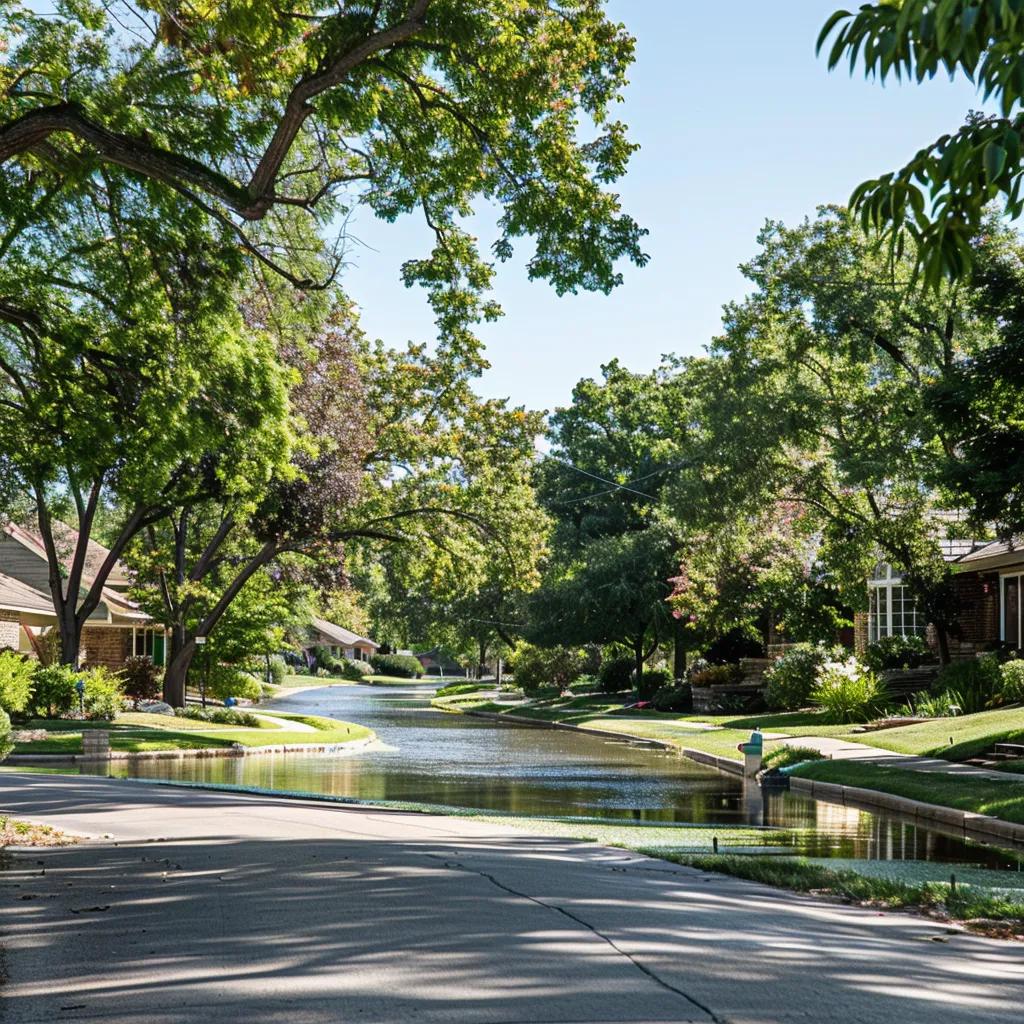
Low-lying neighborhoods along the Arkansas River and tributaries like Mingo Creek face frequent flash floods during heavy rains. Floodplains in north Tulsa and parts of east Tulsa can see water levels rise several feet within hours. Key flood-prone zones include:
- Brookside and Maple Ridge
- River Parks West near the Arkansas River
- Areas adjacent to Mingo Creek Parkway
Flood Insurance and Risk in Tulsa
Properties in low-lying areas along the Arkansas River and its tributaries, such as Mingo Creek, are susceptible to flash floods. Separate flood insurance, available through the National Flood Insurance Program (NFIP) or private carriers, is essential for these properties to cover potential water damage and related expenses.
This citation supports the article’s emphasis on the importance of flood insurance for residents in flood-prone areas, reinforcing the need for specific coverage in high-risk zones.
Properties in these zones benefit from separate flood insurance through the National Flood Insurance Program (NFIP) or private carriers. Recognizing flood-vulnerable areas guides residents to secure dedicated coverage and avoid uncovered water damage, which transitions directly into insurance implications.
How Does Severe Weather Affect Tulsa’s Property and Auto Insurance Needs?
Severe storms influence both homeowners and auto insurance by introducing specialized deductibles, coverage endorsements, and exclusions. Tornado and wind perils typically fall under basic homeowners policies, but hail and flood require separate endorsements. Auto coverage must include comprehensive (non-collision) protection to cover storm-related dents, cracks, and flooding. Aligning policy terms with local storm profiles ensures that every damage type—from flying debris to river overflow—is addressed, reinforcing why comprehensive coverage is indispensable.
What Types of Comprehensive Insurance Coverage Protect Tulsa Homes During Storm Season?
Comprehensive insurance for Tulsa properties bundles multiple perils—wind, hail, tornado, and flood—into a cohesive risk management plan. By layering homeowners, flood, and specialized endorsements, families lock in predictable out-of-pocket costs and full replacement benefits.
How Does Homeowners Insurance Cover Wind and Hail Damage in Tulsa?
Homeowners policies in Oklahoma automatically include windstorm coverage, which extends to tornado and straight-line winds. Hail damage is covered under the same peril category, though many insurers apply a separate hail deductible. Key features include:
- Replacement cost value for roofing and siding
- Coverage for broken windows and fallen tree limbs
- Temporary living expenses if the home becomes uninhabitable
Percentage-based wind/hail deductibles typically range from 1% to 5% of dwelling coverage, making it essential to choose a policy with deductibles that balance premium savings and manageable out-of-pocket costs.
Why Is Flood Insurance Crucial for Tulsa Residents in Flood-Prone Areas?
Flood insurance exists outside standard homeowners policies and is vital for properties within designated floodways and FEMA flood zones. Flood coverage provides:
- Structural protection up to $250,000 (NFIP)
- Contents coverage up to $100,000
- 30-day waiting period standard
Without flood insurance, water damage repairs and mold remediation can exceed $50,000 per event. Securing NFIP or private flood plans closes a critical gap in comprehensive risk management.
What Auto Insurance Options Cover Storm-Related Damages in Tulsa?
Comprehensive auto coverage—often called “other than collision”—protects vehicles against hail dents, falling objects, and flood intrusion. Critical elements include:
- Full body repair for hail and wind damage
- Replacement of cracked windshields and windows
- Towing and rental car reimbursement if the vehicle is unsafe
Maintaining a separate comprehensive deductible helps lower monthly premiums while preserving robust storm-damage protection.
How Do Tornado-Specific Insurance Policies Enhance Storm Protection?
Some insurers in Tulsa offer tornado endorsements that increase windstorm limits, waive certain deductibles, or expedite claims for tornado damage. These policies can:
- Provide guaranteed replacement cost for roofing
- Cover debris removal beyond standard limits
- Offer 24/7 emergency repair allowances
Tornado-specific add-ons supplement base homeowners and auto plans, ensuring swift recovery when rotation winds strike.
How Do Deductibles and Policy Terms Affect Storm Damage Claims in Tulsa?
Deductibles and valuation methods directly influence claim payouts and out-of-pocket expense after storms. Choosing the right terms balances upfront costs and recovery speed.
What Are Wind and Hail Deductibles and How Are They Calculated in Oklahoma?
In Oklahoma, wind-hail deductibles often use a percentage of dwelling coverage rather than a flat dollar amount. Common structures are:
| Entity | Attribute | Value |
|---|---|---|
| Wind/Hail Deductible | Calculation Basis | Percentage of insured dwelling value |
| Typical Range | Percentage | 1%–5% |
| Example | Home Value | $300,000 |
| Resulting Deductible Cost | Percentage 2% | $6,000 |
Percentage-based deductibles help insurers manage catastrophic exposure, and policyholders should confirm limits to avoid unexpected costs.
What Is the Difference Between Replacement Cost Value and Actual Cash Value?
Replacement Cost Value (RCV) and Actual Cash Value (ACV) determine claim settlement amounts:
- Replacement Cost Value reimburses the full cost to rebuild or replace, without depreciation.
- Actual Cash Value subtracts depreciation for age and wear.
Choosing RCV ensures homeowners receive funds to fully restore damaged roofs, siding, and personal property, eliminating a coverage shortfall when storms strike.
Which Common Policy Exclusions Should Tulsa Homeowners Know About?
Standard policies often exclude or limit coverage for:
- Flood and Earthquake – requires separate insurance plans.
- Mold Remediation – coverage barred after water damage exceeds set thresholds.
- Water Backup – optional endorsement needed for sewer or drain overflow.
Awareness of exclusions helps residents purchase necessary add-ons and avoid surprise denials during claim processing.
How Can Tulsa Residents Effectively File Storm Damage Insurance Claims?
An efficient claims process transforms stressful storm aftermath into a structured recovery. Clear documentation, timely communication, and understanding adjuster protocols maximize settlement success.
What Are the Step-by-Step Actions to File a Storm Damage Claim in Tulsa?
Follow these precise steps to file and advance a storm damage claim:
- Ensure Safety First – Turn off utilities if necessary.
- Document Damage Immediately – Photograph damage from multiple angles.
- Notify Your Insurer – Call or submit an online notice of loss.
- Secure Temporary Repairs – Cover broken windows and tar roof holes.
- Meet the Adjuster – Provide photos, repair estimates, and a damage inventory.
- Review the Settlement Offer – Compare it to repair bids before accepting.
Adhering to this sequence streamlines claim approval and payment disbursement.
How Can Homeowners Document Storm Damage to Avoid Claim Denials?
Comprehensive documentation creates an indisputable loss record. Homeowners should:
- Record timestamps on all photographs and videos.
- Keep damaged items for adjuster inspection.
- Gather contractor repair estimates in writing.
Detailed evidence supports accurate damage valuation and reduces disputes over coverage scope.
When and How Should Policyholders Contact Insurance Adjusters and Contractors?
After initial claim notification, policyholders should:
- Contact the Adjuster within 24–48 hours to schedule inspection.
- Engage Licensed Contractors to prepare written repair estimates.
- Share Estimates Promptly with the adjuster to align on scope.
Coordinated communication ensures adjusters and contractors agree on repair specifications, accelerating payment and restoration.
What Are the Best Practices for Maximizing Storm Season Protection in Tulsa?
Proactive preparedness and routine policy management elevate resilience against unpredictable weather cycles. Strategic practices balance readiness and financial protection.
What Should Tulsa Homeowners Include in a Storm Preparedness Checklist?
A thorough storm kit and home-fortification plan should feature:
- Battery-powered weather radio and multiple flashlights
- Emergency food, water, and first-aid supplies for 72 hours
- Reinforced safe room or interior storm shelter
- Roof and window protection materials (shutters, plywood)
- Photographic record of home’s condition pre-storm
Maintaining this checklist year-round transforms daunting storms into manageable events, setting the groundwork for annual policy reviews.
How Often Should Tulsa Residents Review and Update Their Insurance Policies?
Residents should review coverage:
- Annually before storm season to confirm dwelling, contents, and auto limits.
- After Major Renovations to adjust dwelling values.
- Following Significant Claims to refine deductibles and endorsements.
Regular policy audits ensure limits and endorsements match evolving storm risk and home improvements.
How to Choose the Right Insurance Provider for Tulsa’s Severe Weather Risks?
Selecting an insurer with proven storm-season performance involves evaluating:
- Claim processing speed and local adjuster availability
- Financial strength ratings (A or better from AM Best)
- Specialized storm endorsements and flexible deductible options
- Customer satisfaction scores and community reputation
Prioritizing these criteria aligns coverage with Tulsa’s severe weather profile and service expectations.
What Resources Does the Oklahoma Insurance Department Provide for Storm Season Coverage?
The Oklahoma Insurance Department (OID) offers authoritative guidance, consumer assistance, and regulatory updates to help policyholders navigate storm coverage and claims.
How Does the Oklahoma Insurance Department Assist with Storm Claims and Consumer Questions?
The OID Consumer Assistance Division provides:
- A helpline for claim dispute mediation
- Educational materials on policy terms and rights
- Complaint resolution services when claims stall
Accessing OID support enhances policy understanding and ensures fair treatment by insurers.
Where Can Tulsa Residents Find Official Flood Zone Maps and Insurance Regulations?
Official flood zone delineations and insurance rules are accessible via:
- The Federal Emergency Management Agency (FEMA) flood map service center
- OID’s website for state-specific insurance statutes
- Tulsa County GIS portal for localized elevation data
Referencing these authoritative maps guides accurate flood-risk assessments and correct insurance purchasing decisions.
What Are the Latest Oklahoma Insurance Regulations Affecting Storm Coverage?
| Entity | Attribute | Value |
|---|---|---|
| Wind-Hail Deductible Rules | Minimum Deductible Percentage | 1% |
| Flood Insurance Waiting Period | Standard Interval | 30 days |
| Mold Remediation Coverage | Maximum Payout | $10,000 (with endorsement) |
Staying current on regulatory changes prevents coverage gaps and ensures compliance with state requirements.
How Do Local Tulsa Neighborhoods Differ in Storm Risk and Insurance Needs?
Tulsa’s varied topography and waterways create micro-climates that influence storm impact and coverage requirements across neighborhoods.
Which Tulsa Neighborhoods Are Most Prone to Flooding Near the Arkansas River?
Riverside districts such as Turkey Mountain and River Parks West lie within FEMA Zone AE, facing flood risks that require:
- NFIP flood insurance
- Elevated foundation or flood vents for mitigation
Localized flood coverage ensures financial protection where runoff concentrates.
How Do Storm Damage Patterns Vary Across Tulsa’s Districts?
Storms produce distinct damage profiles:
- North Tulsa: Higher hail accumulation due to seasonal storm track.
- East Tulsa: Frequent straight-line wind events from storm outflows.
- Southwest Tulsa: Increased flash flood incidents along creeks.
Neighborhood-tailored policies address the most likely perils, aligning coverage with risk hotspots.
How Should Insurance Coverage Be Tailored to Specific Tulsa Neighborhood Risks?
Customized coverage strategies include:
- Increased wind-hail limits in hail-prone districts
- Mandatory flood endorsements for river-adjacent properties
- Additional debris removal allowances in wooded areas
Tailoring policies to local hazard maps secures precise protection for each Tulsa community.
What Are Common Questions About Comprehensive Storm Coverage in Tulsa?
Answering high-demand queries upfront clarifies policy scope and cost expectations for Tulsa residents seeking comprehensive protection.
Does Homeowners Insurance Cover Wind and Hail Damage in Tulsa?
Yes, standard homeowners policies in Tulsa include windstorm and hail coverage, typically subject to a separate percentage-based deductible that covers roof, siding, and window damage.
Is Flood Insurance Required or Recommended in Tulsa?
Flood insurance is not mandated statewide but is strongly recommended—and often required by lenders—for properties in FEMA-designated flood zones along the Arkansas River and major tributaries.
How Much Does Comprehensive Storm Insurance Typically Cost in Tulsa?
Comprehensive home and auto coverage for storm perils averages $3,800–$4,200 per year for homeowners insurance and $150–$300 per year for auto comprehensive coverage, depending on dwelling value and deductible choices.
What Are the Most Frequent Reasons for Storm Claim Denials in Oklahoma?
Common denial causes include:
- Failure to maintain property (e.g., unrepaired roof damage)
- Insufficient documentation or late reporting of loss
- Damage types excluded by the policy (e.g., mold without mold endorsement)
Understanding these pitfalls prevents avoidable claim setbacks.
How Can Visual and Interactive Tools Help Tulsa Residents Understand Storm Coverage?
Multimodal content enhances comprehension of complex policy details and local risk profiles, empowering residents to make informed coverage decisions.
What Infographics Explain Deductibles and Claims Processes Clearly?
Well-designed infographics illustrate:
- Step-by-step claim filing flows
- Comparison of flat vs. percentage deductibles
- Coverage limits and typical out-of-pocket scenarios
Visual aids simplify technical terms and reinforce action steps when storms occur.
How Can Interactive Maps Show Tulsa Flood Zones and Tornado Paths?
Interactive GIS tools allow users to:
- Toggle FEMA flood zone overlays by address
- View historical tornado tracks across Tulsa County
- Assess elevation profiles and drainage patterns
Dynamic mapping fosters precise risk assessment before purchasing coverage.
Which Videos Demonstrate Filing Storm Damage Claims Step-by-Step?
Short tutorials bring clarity by:
- Walking through insurer mobile app claim submission
- Demonstrating proper photo and video documentation techniques
- Explaining adjuster meeting protocols
Video guides reduce uncertainty and speed up the claims process when time is of the essence.
Homeowners and drivers in Tulsa face a unique intersection of tornadoes, hailstorms, floods, and severe winds that demand carefully tailored, comprehensive coverage. By selecting the right blend of homeowners, flood, auto, and specialized endorsements—while understanding deductibles, policy terms, and the claims process—families transform storm season from a liability into a managed event. Proactive preparedness, regular policy reviews, neighborhood-specific risk tailoring, and utilization of Oklahoma Insurance Department resources complete a resilient risk-management strategy. With visual tools, interactive maps, and clear guidance on coverage details, Tulsa residents can navigate storm season confident that comprehensive coverage will safeguard their property and peace of mind.
Written by
Dustin Wyzard
Founder & Licensed Insurance Agent
Licensed Oklahoma insurance agent and founder of Cheapest Car Insurance.